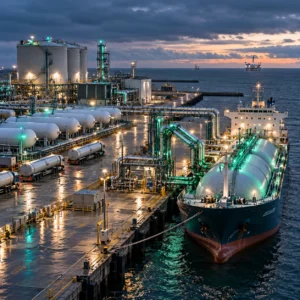
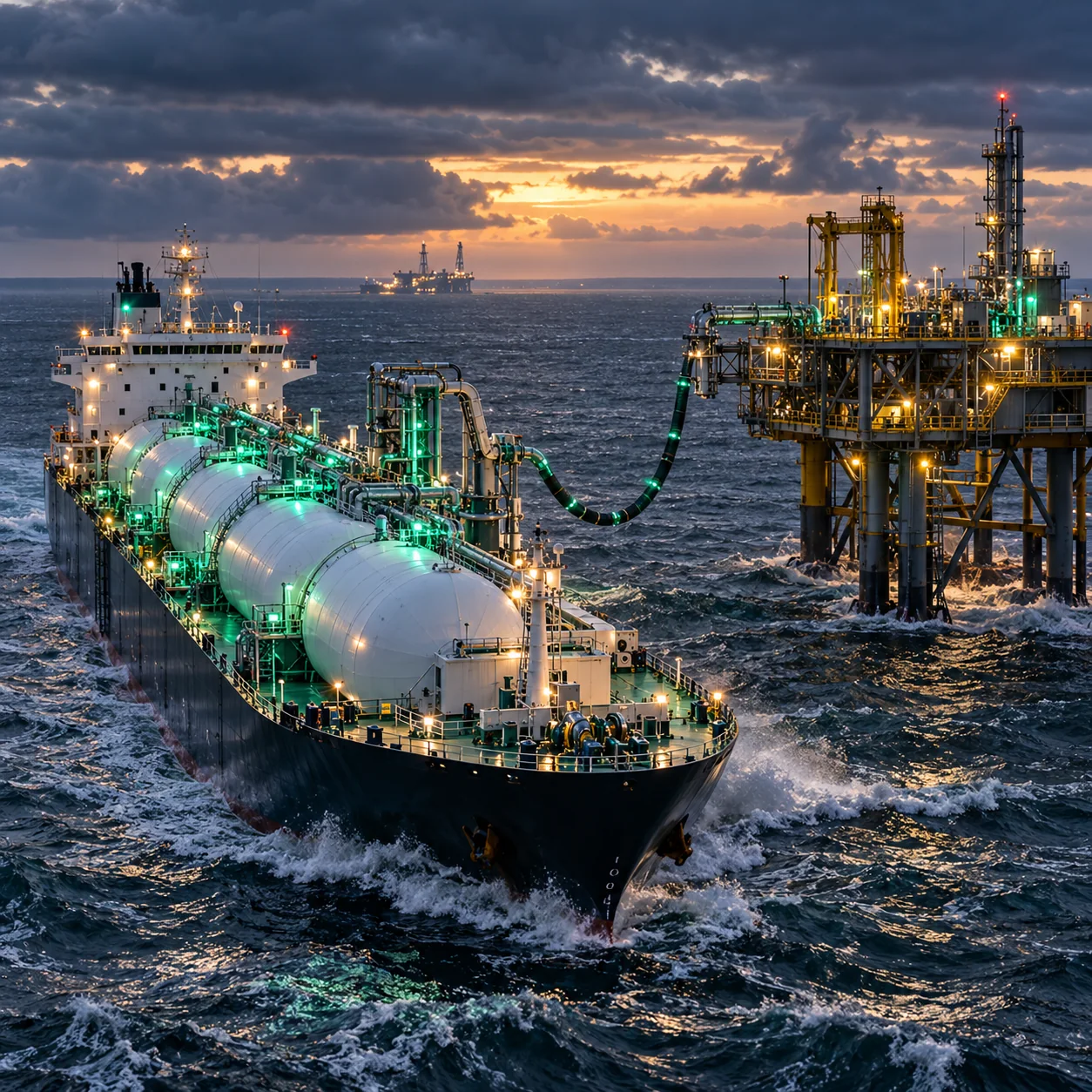
A shipping company has bought into the rock.
On September 29, Japan’s NYK signed a sale and purchase agreement with Vår Energi CCS to acquire a 30% interest in the Trudvang CCS project in Norway, together with a matching 30% participating interest in CO₂ storage exploration licence EXL007 on the Norwegian Continental Shelf. According to Carbon Herald, it is NYK’s first direct equity investment in a geological carbon storage project.
The headline numbers are modest. No price was disclosed, and the project is still in technical and commercial studies. But the deal moves a ship operator from carrying captured CO₂ to owning part of the place where it is permanently stored. That shift says a good deal about how the carbon storage business is starting to organise itself.
A North Sea Storage Licence With Room to Grow
Trudvang targets the Utsira formation in the North Sea, adjacent to Equinor’s Sleipner storage site, according to Carbon Herald. The project is aiming for an initial injection capacity of 2 million tonnes per year, with potential to scale beyond 10 million tonnes per year, and is designed to store biogenic and industrial CO₂ captured from emitters across North-West Europe.
Once the Norwegian Ministry of Energy approves the transfer, the partnership will be held 40% by operator Vår Energi CCS, 30% by INPEX Idemitsu Norge and 30% by NYK. The transaction is effective from January 1, 2026, and NYK says it will hold its interests through a new wholly owned Norwegian subsidiary.
NYK describes the project as a transport and storage business that will move CO₂ from European industrial emitters to an offshore geological formation for injection and permanent storage.
From Carrying CO₂ to Storing It
NYK is not new to the CO₂ chain. It has been building liquefied CO₂ shipping capability through Knutsen NYK Carbon Carriers, a 50:50 joint venture with Norway’s Knutsen Group. Trudvang takes the company a step further down the line, into offshore handling, injection and geological storage.
The company says participation “will enable the NYK Group to expand beyond marine transportation and build capabilities across the broader CCS value chain.” It ties the move to its medium-term plan, “Sail Green, Drive Transformations 2026,” and a 2030 vision of creating value beyond traditional shipping and logistics.
Vår Energi sees the same logic from the other end. “Commercialising CCS requires strong collaboration across the entire value chain, and NYK brings world-class expertise in maritime transportation, logistics and the development of CO2 transportation solutions,” said Glenn Eide, SVP Strategy and CCS at Vår Energi, as quoted by Carbon Herald.
Integrated Ownership Answers the Questions Emitters Ask
Ship-based CCS has a coordination problem. Capture plants produce CO₂ continuously, ships arrive in batches, and injection wells need steady flow. Every handover is a point where schedules slip and costs accumulate.
Who guarantees the ship arrives when the buffer tanks are full?
Who carries the risk when the injection well is down?
When the same partner holds a stake in both the vessels and the reservoir, those questions can be answered inside one commercial structure rather than negotiated across separate contracts. For an emitter weighing a capture investment, that is closer to a bundled transport and storage service, which is what most buyers want.
That matters for bankability.
For storage developers, a shipping partner brings logistics expertise and, potentially, a route to customers that a pure subsurface operator does not have. For shipping groups, storage equity offers a long-life infrastructure position that is less exposed to charter cycles.
The Canadian Read Across
Canada’s storage build is mostly pipeline-based and onshore, but the structural lesson travels. In Alberta, hub developers already tend to combine transport and pore space. The Origins CCS Hub near Clive, which broke ground on September 9, is connected to the province’s existing CO₂ transportation network and will initially serve industrial facilities in Alberta’s Industrial Heartland, according to Natural Resources Canada. It is designed to store up to 1.5 million tonnes of CO₂ a year from January 2027.
The North Sea is arriving at the same integrated model through ships rather than pipe. For Canadian investors, the more interesting signal is the type of capital involved. When a global logistics group takes equity in an exploration-stage storage licence, it suggests storage is being valued as long-term infrastructure rather than a project add-on.
Coastal storage concepts, including those under discussion in Atlantic Canada, would face the same shipping and scheduling questions Trudvang is working through. Integrated ownership is one practical answer.
What Comes Next for Trudvang
The deal still needs regulatory approval and customary closing conditions, and NYK has not given a commercialisation date. The milestones worth tracking are clear enough:
- Norwegian Ministry of Energy approval of the interest transfer
- Outcomes of the technical and commercial studies now under way
- Storage agreements with named North-West European emitters
- How shipping and storage tariffs are packaged for customers
- Evidence of a path from 2 Mtpa toward 10 Mtpa or more in the Utsira formation
If those pieces come together, Trudvang would add another open storage option to a North Sea market where demand from European industry is growing faster than injection capacity.
NYK has spent years learning how to move CO₂ by sea. With Trudvang, it is betting that the lasting value sits where the voyage ends.